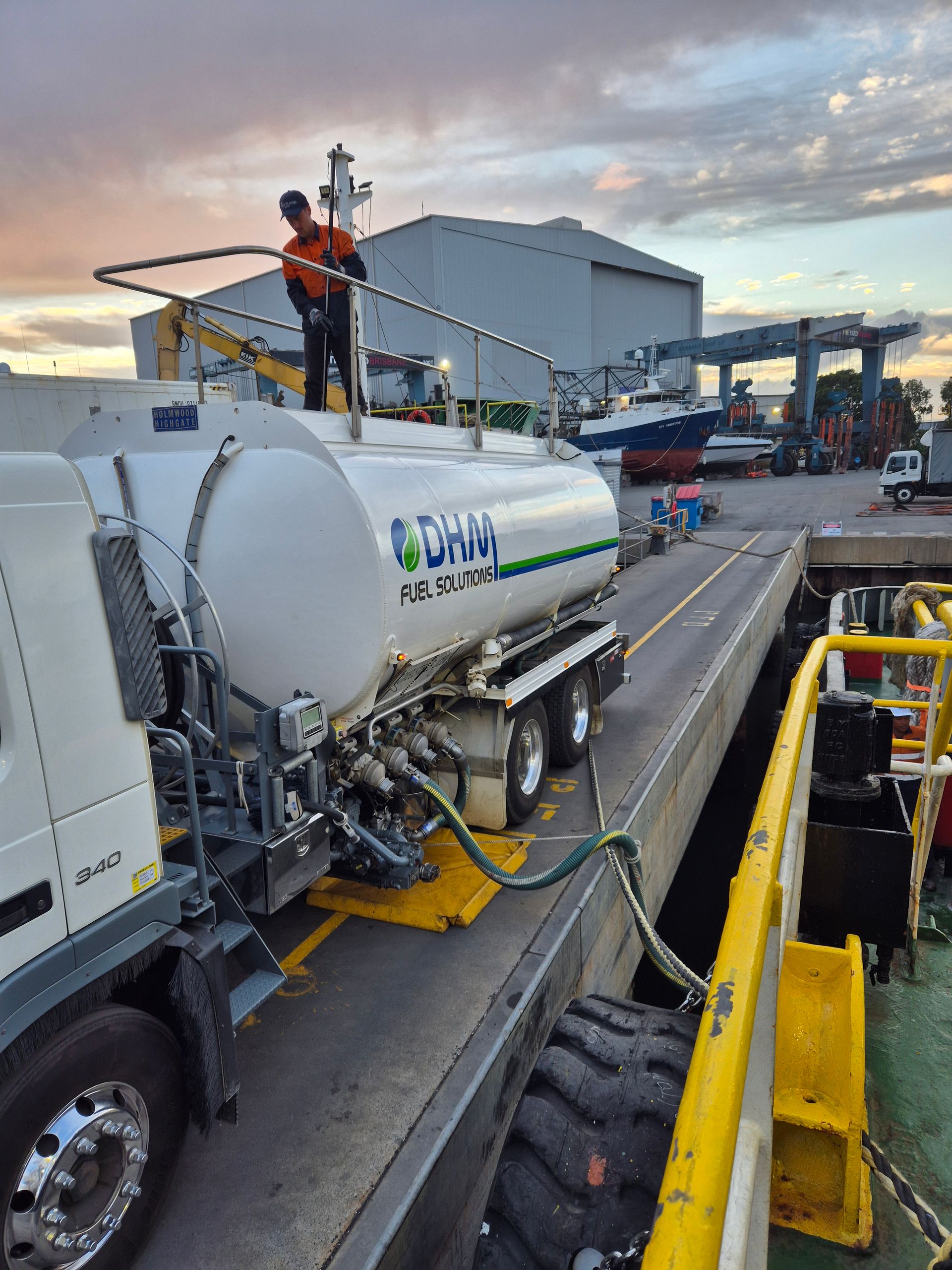
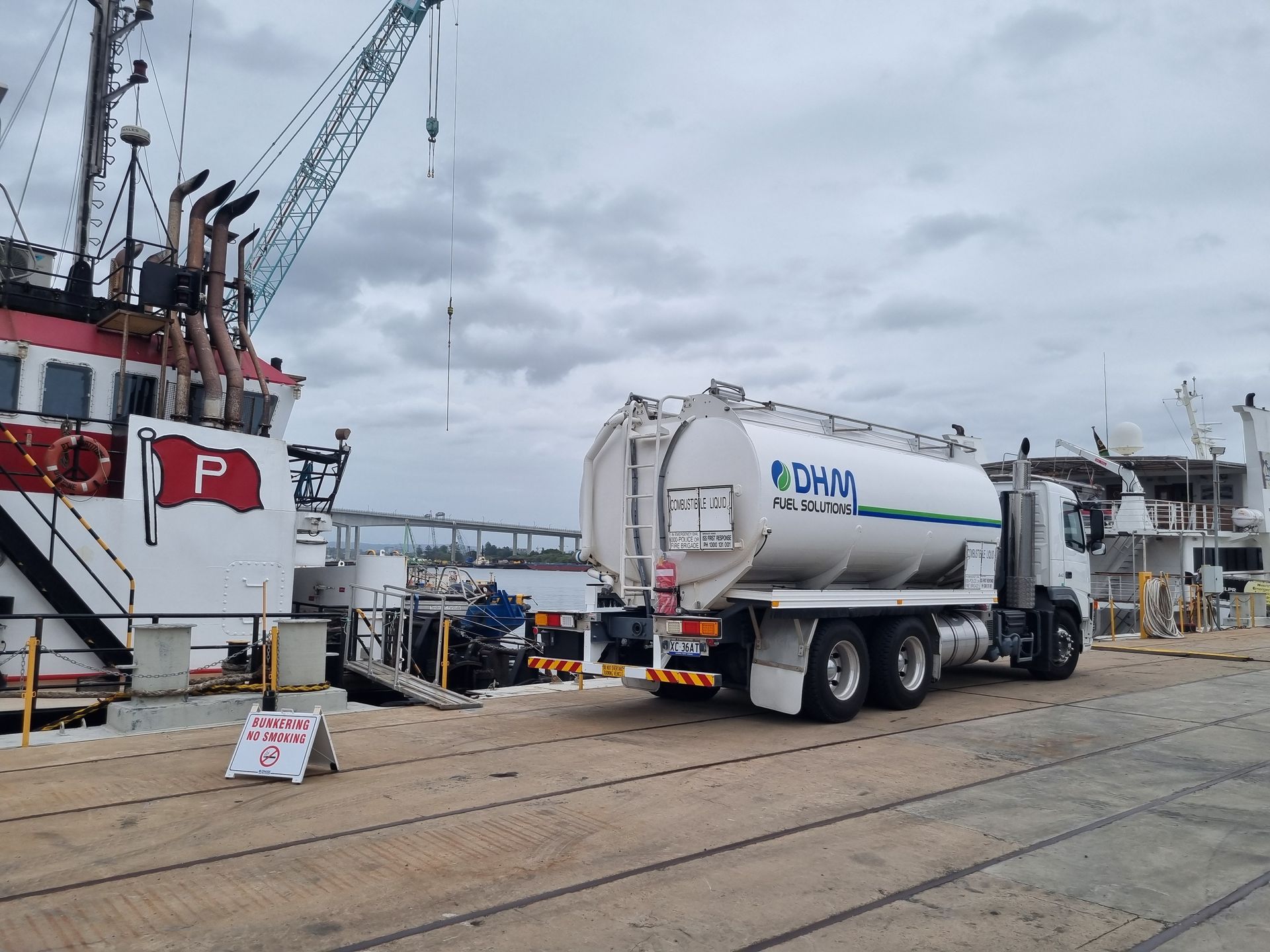
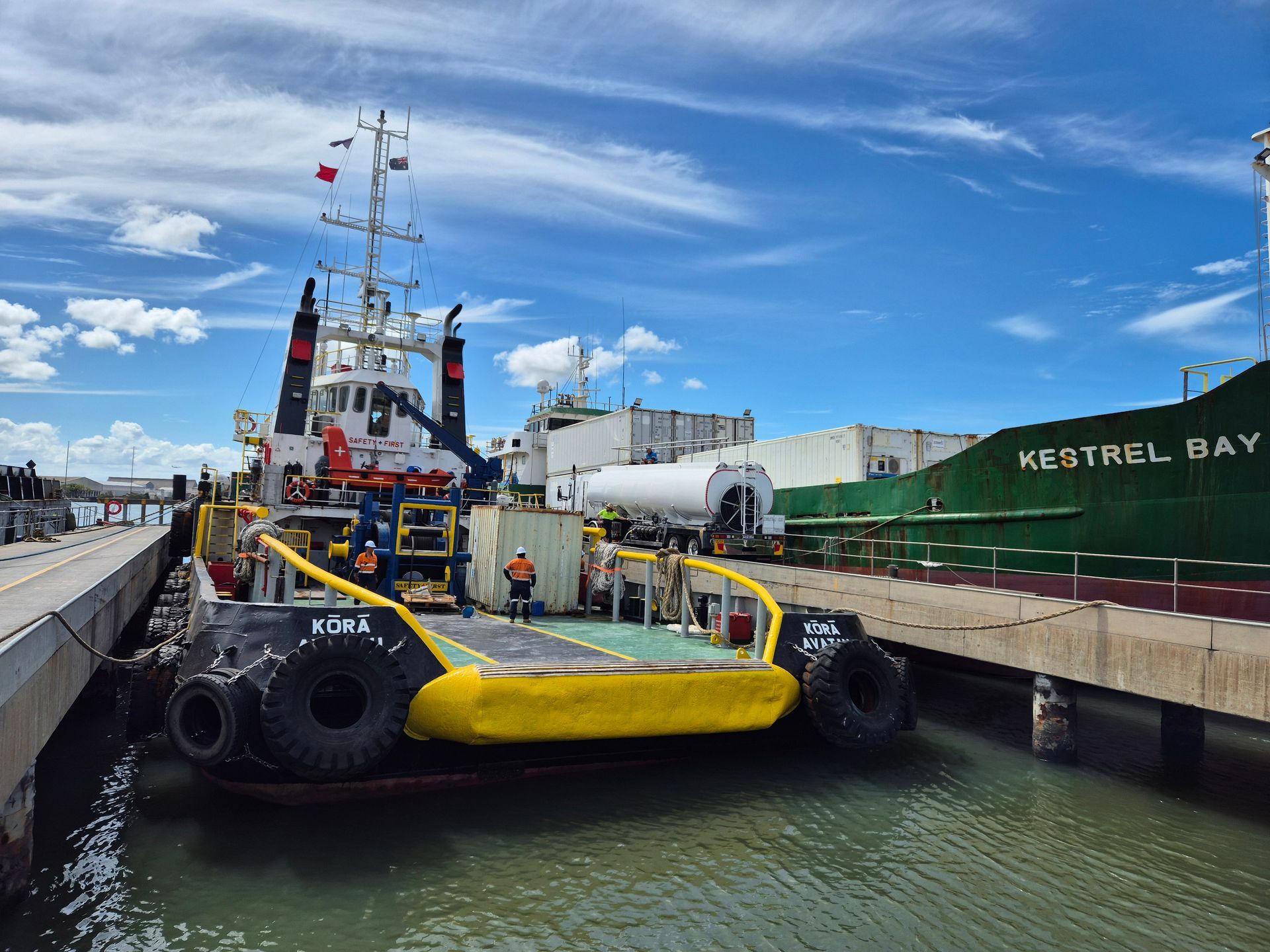
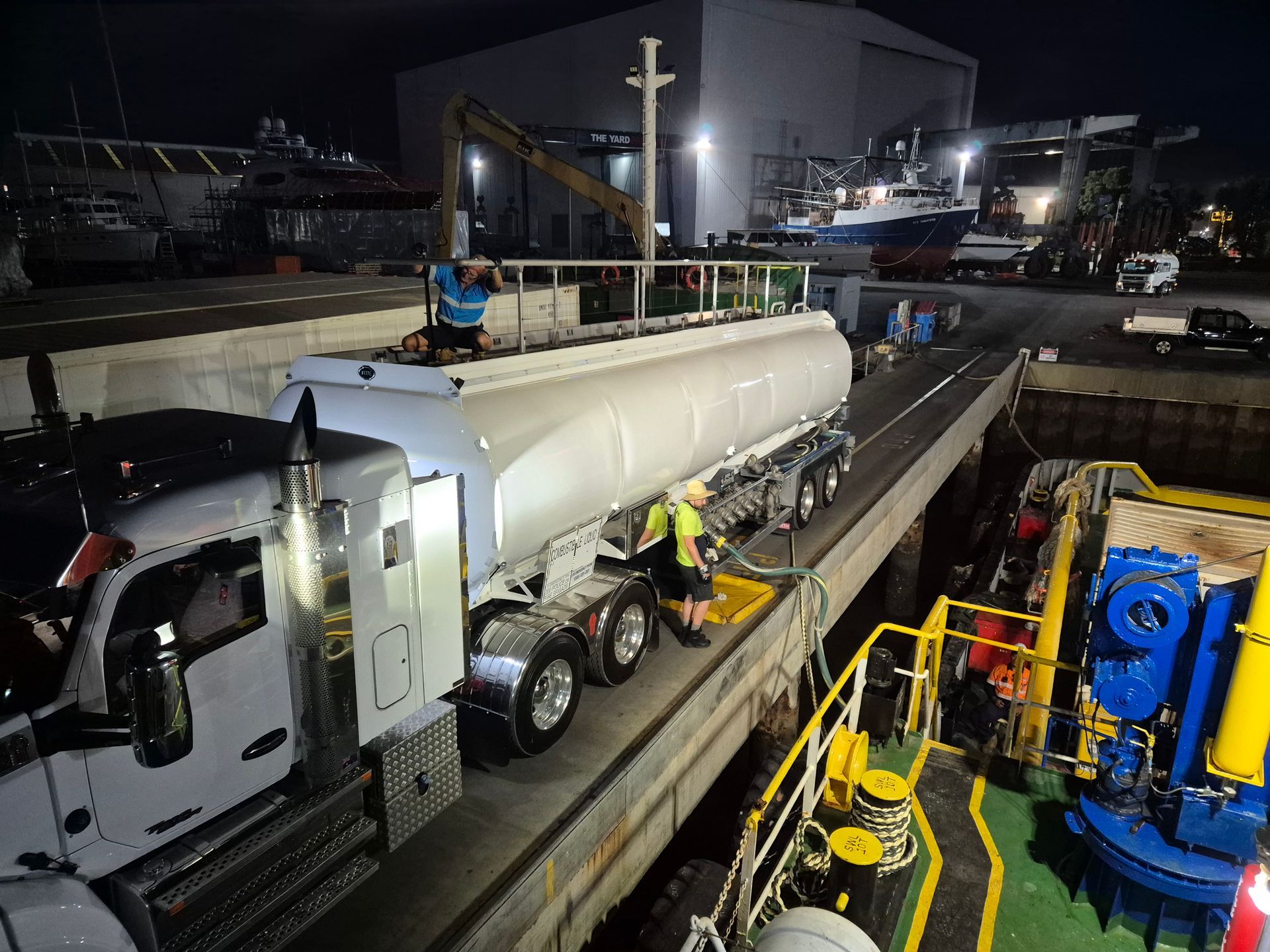
What is fleet fuel management?
Fleet fuel management is the process of monitoring, storing, distributing, and tracking fuel across your fleet.
It involves more than simply filling vehicles with diesel.
An effective fuel management strategy helps businesses:
- Monitor fuel usage
- Track fuel consumption
- Maintain fuel quality
- Prevent contamination
- Reduce fuel wastage
- Improve operational efficiency
When these areas are not properly managed, costs can quickly increase.
The hidden costs of poor fuel management
Some fuel-related expenses are obvious. Others quietly affect your business every day.
Here are some of the biggest hidden costs.
1. Increased fuel consumption
One of the first signs of poor fuel management is using more fuel than expected.
This may happen because of:
- Poor fuel quality
- Contaminated fuel
- Inefficient refuelling practices
- Engine performance issues
- Poor maintenance scheduling
Even a small increase in fuel consumption across a large fleet can significantly impact operating costs over time.
2. Equipment downtime
Fuel contamination often leads to unexpected vehicle breakdowns.
Common causes include:
- Water contamination
- Dirty fuel
- Blocked fuel filters
- Microbial contamination
- Sediment build-up
When vehicles are off the road, businesses lose more than fuel.
They lose productivity, delivery capacity, and valuable operating time.
3. Higher maintenance costs
Poor fuel quality places additional stress on fuel systems.
Over time, contaminated fuel can damage:
- Fuel injectors
- High-pressure pumps
- Fuel filters
- Engine components
These repairs are usually far more expensive than preventative fuel management.
4. Fuel theft and wastage
Without proper fuel monitoring, businesses often struggle to identify where fuel is being lost.
Losses may come from:
- Unauthorised fuel use
- Fuel leaks
- Recording errors
- Inefficient refuelling practices
- Excessive idling
Small losses across multiple vehicles quickly become a significant operating expense.
5. Reduced fleet efficiency
Poor fuel management affects more than fuel costs.
It impacts overall fleet performance.
Vehicles experiencing fuel-related issues may suffer from:
- Reduced power
- Poor fuel economy
- More frequent servicing
- Lower reliability
- Increased downtime
As fleet efficiency declines, operating costs continue to rise.
Warning signs your fleet fuel management needs improvement
Many businesses do not realise they have a fuel management problem until costs begin increasing.
Watch for signs like:
- Fuel expenses increasing each month
- Frequent fuel filter replacements
- More vehicle breakdowns
- Inconsistent fuel usage between similar vehicles
- Unexpected maintenance costs
- Poor engine performance
These warning signs often point to underlying fuel management issues.
Step-by-step: How to improve fleet fuel management
The good news is that improving fuel management does not always require major changes.
A few practical improvements can make a significant difference.
Step 1: Monitor fuel usage
Start by understanding how fuel is being used across your fleet.
Track:
- Fuel consumption
- Refuelling records
- Vehicle performance
- Fuel purchasing patterns
Good data makes it easier to identify unusual trends.
Step 2: Maintain fuel quality
Fuel quality should be monitored just like any other business asset.
Regular fuel testing helps identify:
- Water contamination
- Sediment
- Microbial growth
- Fuel degradation
Clean fuel supports better vehicle performance and longer equipment life.
Step 3: Inspect storage systems
If your business stores bulk fuel, inspect tanks regularly.
Look for:
- Water accumulation
- Damaged seals
- Sludge build-up
- Signs of contamination
Proper storage is one of the most effective ways to protect fuel quality.
Step 4: Improve fuel monitoring
Fuel monitoring systems provide valuable insight into fleet performance.
They can help identify:
- Excessive fuel use
- Fuel theft
- Inefficient refuelling
- Unexpected consumption trends
The sooner issues are identified, the easier they are to correct.
Step 5: Include fuel management in preventative maintenance
Fuel management should be part of every maintenance schedule.
Regular inspections of tanks, filters and fuel systems help prevent problems before they become costly repairs.
Preventative maintenance almost always costs less than emergency repairs.
Good vs bad fleet fuel management
Reactive Approach
Responding only after breakdowns
- Ignoring fuel quality
- Limited fuel monitoring
- Poor record keeping
Result:
Higher fuel costs, more downtime and expensive repairs.
Proactive approach
- Regular fuel monitoring
- Fuel quality testing
- Preventative maintenance
- Accurate fuel reporting
- Routine storage inspections
Result:
Lower operating costs, improved fleet efficiency and more reliable vehicles.
Quick tips you can apply immediately
If you manage a fleet, start with these simple improvements:
- Review monthly fuel usage reports
- Schedule routine fuel quality testing
- Inspect bulk fuel storage tanks
- Investigate recurring filter replacements
- Monitor vehicles with unusually high fuel consumption
Small improvements made consistently can produce significant long-term savings.
Why better fuel management improves profitability
Fuel management is not just about reducing fuel consumption.
It is about improving the efficiency of your entire operation.
Businesses with strong fuel management processes often experience:
- Lower operating costs
- Better vehicle reliability
- Reduced maintenance expenses
- Improved fleet performance
- Greater operational confidence
When fuel is properly managed, everything connected to your fleet performs more efficiently.
Poor fuel management creates hidden costs that extend well beyond the fuel bill.
Contamination, equipment failures, fuel wastage and inefficient processes all reduce profitability over time.
The good news is that these costs are largely preventable.
By monitoring fuel quality, improving storage practices and introducing better fuel monitoring systems, businesses can reduce costs while improving fleet efficiency.
The goal is simple:
Manage your fuel proactively, and your fleet will reward you with better performance, lower costs and greater reliability.